
Tomorrow’s 70-Year-Olds Don't Want Senior Housing
In March we wrote that Rekindle is building multigenerational villages on college campuses. That's still true, but we've learned a lot since then and our thinking has evolved.
We implied we would assemble the generations ourselves—older adults in one part of the community, families with children in another. Turns out, we don't have to. A college is one of the most reliably multigenerational places left in American life: students in their teens and twenties, faculty and staff generally in their thirties to fifties, often a childcare center, and a daily schedule that sees them all criss-crossing the same quad, sharing meals, and learning from one another.
There's just one cohort missing, and it's a cohort massively underserved by today's housing options.
The twenty-year gap.
Chip Conley, of Airbnb and now MEA fame, published a piece last month called The Missing Middle: Where Do We Live Between 55 and 80? In it, he shares a surprising effect of increased longevity in this country: 60 years ago, the typical person moving into a 55+ retirement community was in their mid-sixties. Today, that person is roughly 84 years old. That twenty-year gap is the story of extraordinary advances in medicine, technology, and public health—diagnostics, drugs, surgical techniques, medical devices, and vaccines, to name a few. It is one of the great achievements of the last century, and no one is building housing for it.
If you're 58, 67, or 74, healthy, curious, and craving community, where exactly are you supposed to live? Not everyone wants a golf cart. Not everyone needs assisted living. —Chip Conley
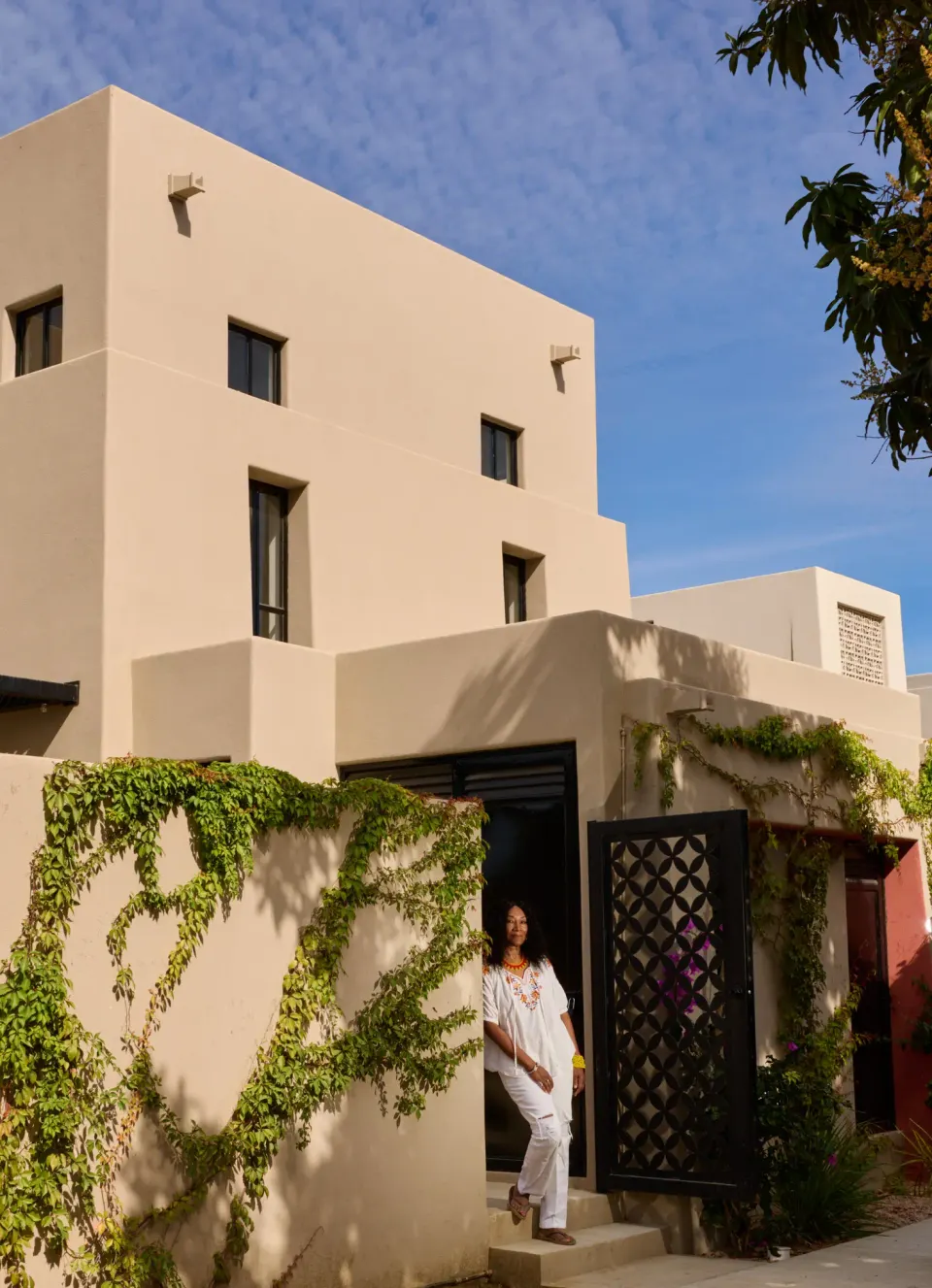
This question deserves an answer. Conley himself is building a couple different versions in Baja and Santa Fe. Rekindle is building another, on college campuses across the United States.
Age ain’t nothing but a proxy.
The senior housing industry calls the 55+ cohort "active adults," but as people have kids later and their careers and lives stretch longer, the label feels premature for the age group it describes.
Consider a 55-year-old. She is working. She has a kid finishing college. And she is, right now, touring assisted living for her mother. Any product that speaks to her as a senior loses her in the first sentence—not because she is in denial about aging, but because she genuinely has decades of health, growth, and change ahead of her. Nobody wakes up at 62 and decides they are ready for senior housing; they wake up in a house that got quiet.
So we define our resident by transition rather than by birthday. The last kid moving out. A divorce. A spouse's death, or a parent's. A job that ends before you were ready to stop working. A remarriage. A health scare that turns out fine but changes your priorities anyway. Those are the moments that put someone in the market, and age is only a proxy for all of them.
Nowhere to go.
Redfin ran the numbers on 2024 Census data this spring and found that empty-nest baby boomers own 28% of every three-bedroom-plus home in the country. Millennials with children own just 16%. That gap holds in every major metro in America.
The cynical read is that boomers are hoarding square footage. The Redfin agent quoted in that report—who happens to work in Philadelphia, where our first projects are—offers a better one: her empty-nester clients tell her they want to downsize, but can't find anything small, single-level, move-in ready, and in their price range to move into. They are not attached to the four bedrooms. There is simply nowhere else to go that fits their needs.
That's our customer. Someone who wants to stay in the town where she knows people, and stop maintaining four bedrooms she no longer uses.
What we're building.
We call it a UIC, in contrast to its forerunner, the URC:
URC—University Retirement Community. An age-restricted senior living community co-located with a university. A well-understood term in the senior living industry, with more than 80 such communities operating nationwide.
UIC—University-Integrated Community. An age-unrestricted community co-located with a university. Designed for people 55 to 80 but open to all, including university faculty, staff, and their families. The term is Zehra Abid-Wood's, of Lasell Village.
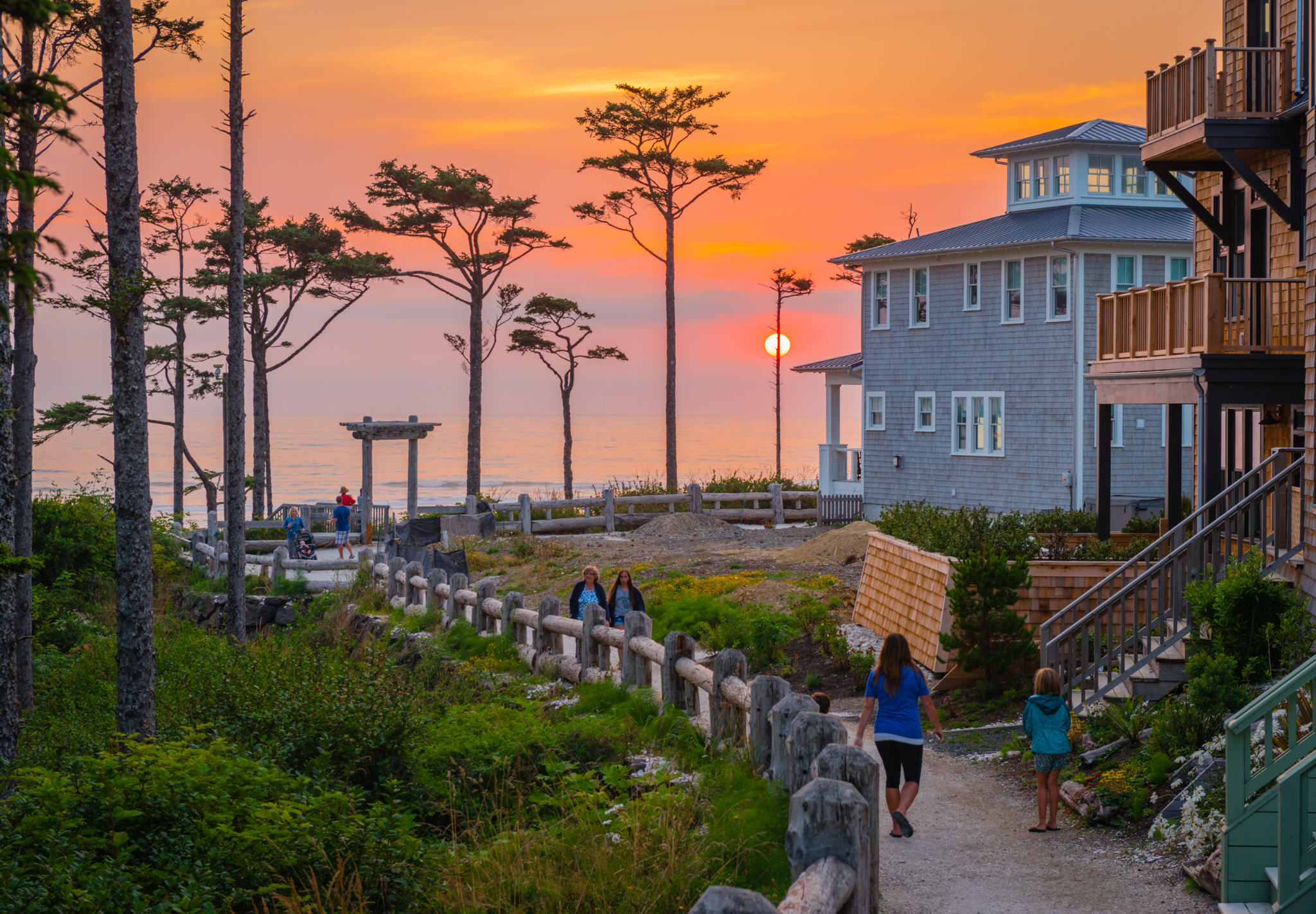
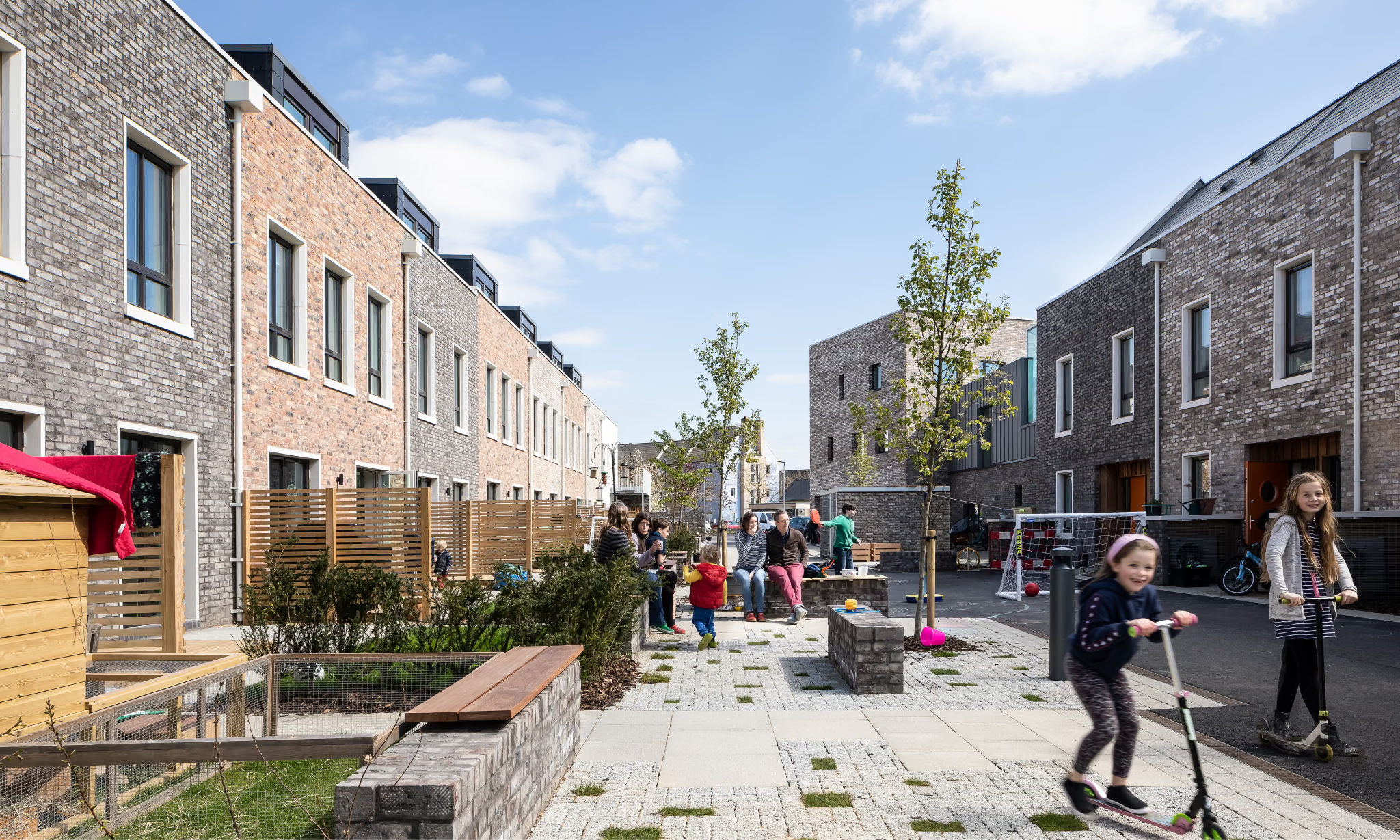
Rekindle UICs feature private apartments and townhomes, plus a shared common house, first-class health and wellness amenities, gardens, and a rich cultural life provided by the college. Our homes are organized in clusters, using the pattern language of porches and semi-private courtyards, so that people know their neighbors' names by the second month rather than the second year. Essentially, we are combining the best of both the cohousing and new urbanist traditions.
Behind the design sits an operating model—lightweight programming and staffing—to support organic connection with other residents and the university community. Think book club, tech demo, or cooking class, not bingo night.
The campus itself does the rest of the work. The library, athletic center, art studios, sporting events, cultural performances, course catalog, and guest lectures are all available to you. You might grab dinner at the dining hall a few nights a week—to meet up with your study group or if you just don’t feel like cooking. None of that has to be manufactured or built from scratch, which is the argument for a campus over a greenfield site.
A natural question for our 55–80 target demographic: What happens when I do need more help? We design for prevention first—walkable everything, fresh and local food, on-site fitness and wellness, and clinical presence on the campuses that support it—because most of what shortens healthspan in this band is addressable by environment, and environment is the thing a developer actually controls. When care is needed, our default is home care, coordinated on site, in your same unit. When someone needs more than home care can deliver, we will help them find the right place to be. We are not a continuing care retirement community. Our core demographic is active, healthy, and engaged, and that may be someone in their fifties or someone in their nineties.
Why we don’t age-restrict.
Nothing about our design requires a 55+ age restriction. In fact, we see three arguments against:
As mentioned earlier, this generation won't buy it. The youngest baby boomers and oldest Gen Xers are healthier, working longer, and more independent than the generation before them, and they are far more resistant to anything that reads as senior living. If they’re moving in this phase of life, they’re looking for a springboard for adventure, not a place to sit still.
The college loses flexibility. Every college we've talked to has a housing problem — cost, availability, or both — and a housing problem becomes a hiring problem fast. Faculty should be able to live in the UIC, and so should staff, postdocs, visiting scholars, and the professor who is retiring but wants to stay close to her department. Flexible housing is worth far more to the college than restricted housing.
Age restrictions shrink the market. An age-restricted building can only lease to a fraction of the people who would otherwise want to live there. If that fraction turns out to be too thin, you're stuck with it. Changing the restriction later is complicated and often cost prohibitive. Licensed care and entry-fee communities are locked tighter still: purpose-built construction, ongoing licensure, and long-dated obligations to residents effectively commit the land to that purpose for the life of the buildings. Ordinary market-rate housing carries none of that baggage. In the right locations with the right amenities, it’ll run heavily 55-plus anyway. You get the residents without the added risk, cost, and paperwork.
A question to end on.
If you're somewhere in the missing middle, would you move to a college campus? What would have to be true about the college, the home, or the amenities? Vote in the poll, tell us in the comments, or write to contact@rekindleprop.co. We’re building this for you.
Rekindle is building university-integrated communities on American college campuses. Our first projects are in predevelopment in the Philadelphia area.